
In spring 2025, we saw an uptick in cutworm activity across the Red River Valley, with notable damage in canola and other crops. Because cutworm populations often follow cyclical patterns, it will be important to stay vigilant this season to determine whether pressure continues to build.
A common question this winter has been: how will winter conditions impact cutworm survival?
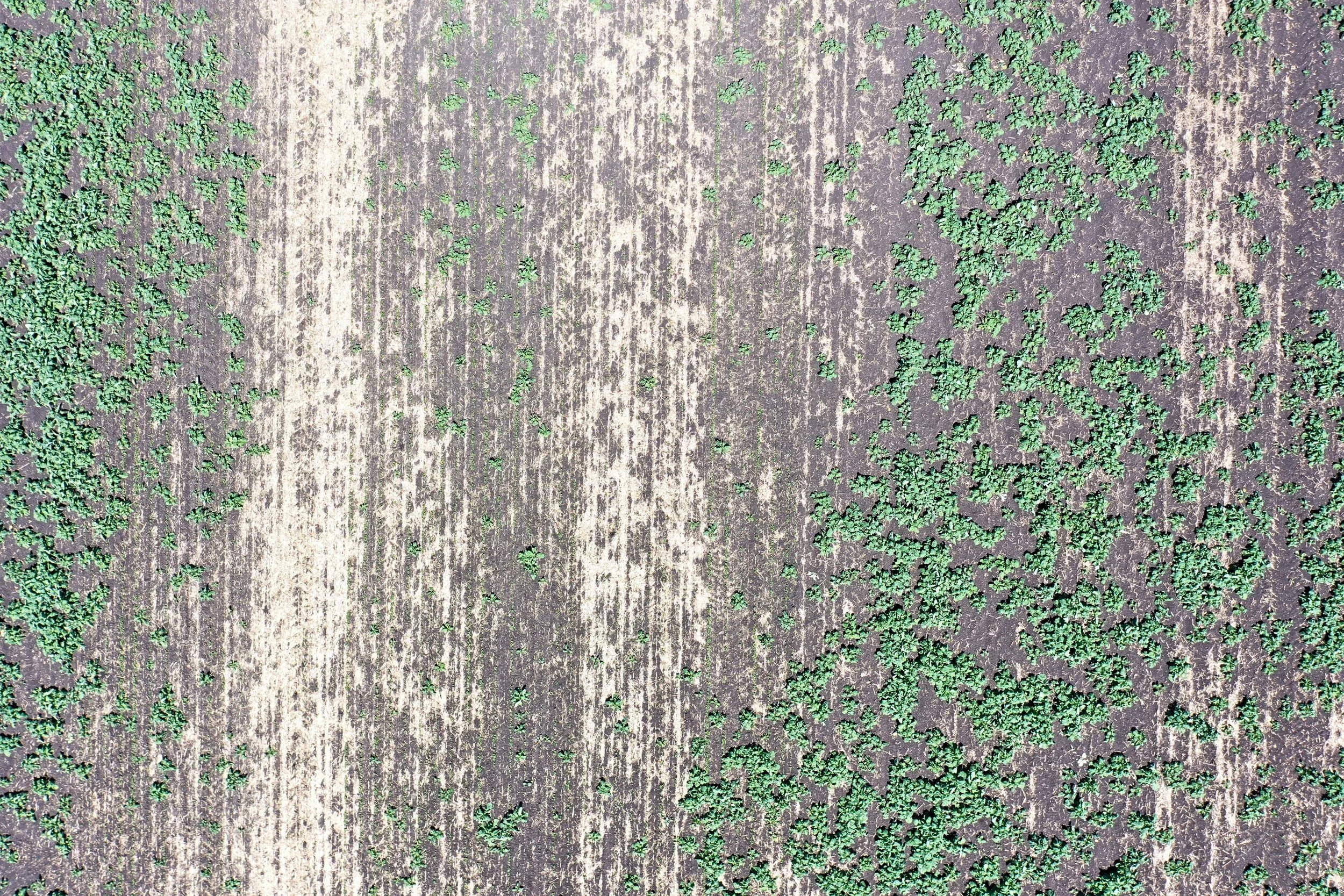
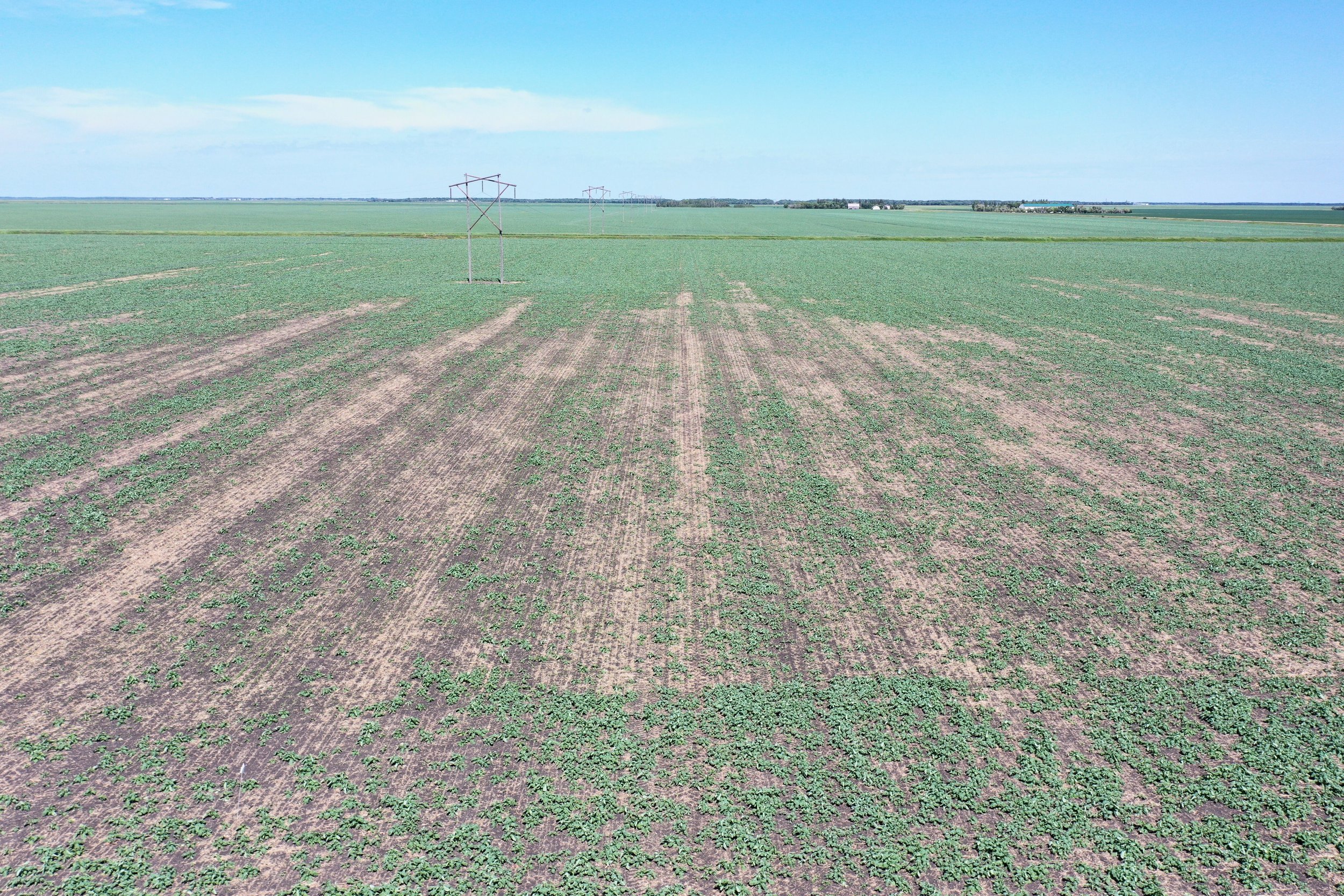
Dingy cutworm damage on Pitura Seed Farm 2025 Canola Field. No insecticide treatment on-seed.
Key Factors Affecting Overwinter Survival:
Winter Soil temperatures
Soil temperature is one of the biggest drivers of cutworm survival, and it is heavily influenced by snow cover. Snow acts as insulation, protecting overwintering insects from extreme cold. This winter, the Red River Valley received below average precipitation/snowfall relative to the 30 year average.However, according to John Gavloski (Entomologist with Manitoba Agriculture) reported that he predicts Manitoba received sufficient snowfall to provide adequate soil insulation.
Life cycle stage of the cutworm during overwintering
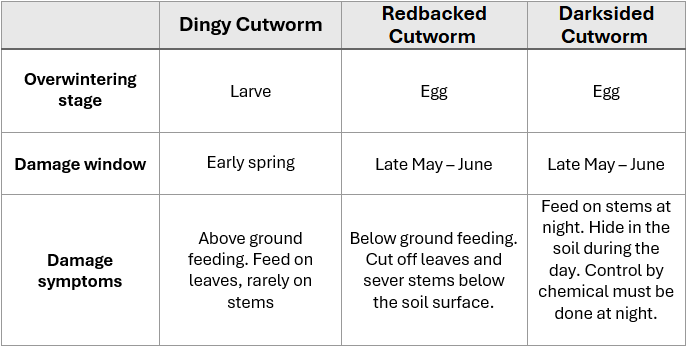
Cutworm species differ in how they overwinter, which affects their survival:
Larvae (e.g., Dingy cutworm):
More vulnerable to environmental stress, including cold soil temperatures and saturated soils.
Eggs (e.g., Redbacked and Darksided cutworms):
It can be assumed that overwinter eggs may be more resilient to winter conditions because the coating of the egg acts like a water resistant, insulated coat and products the cutworm from harsh winter conditions (no specific data supporting this assumption).
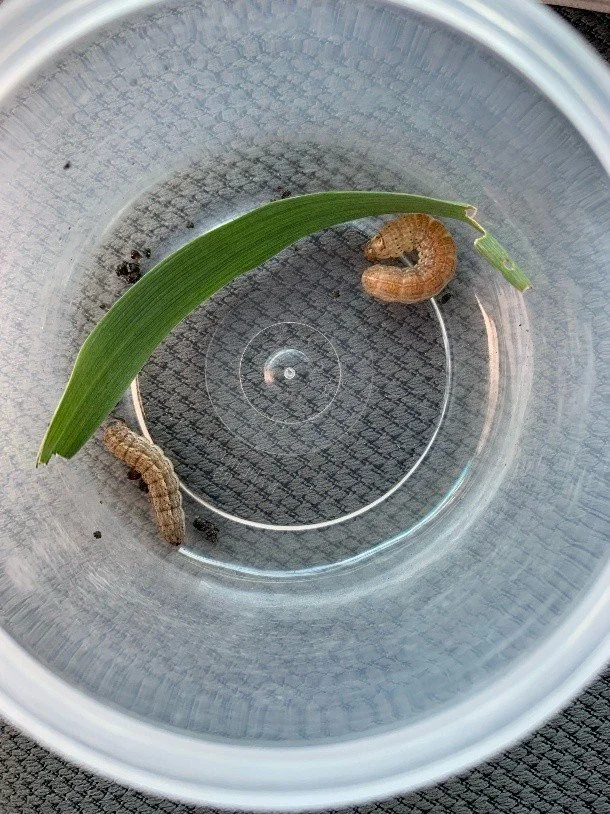
Left: Dingy cutworm, Right: Redbacked Cutworm
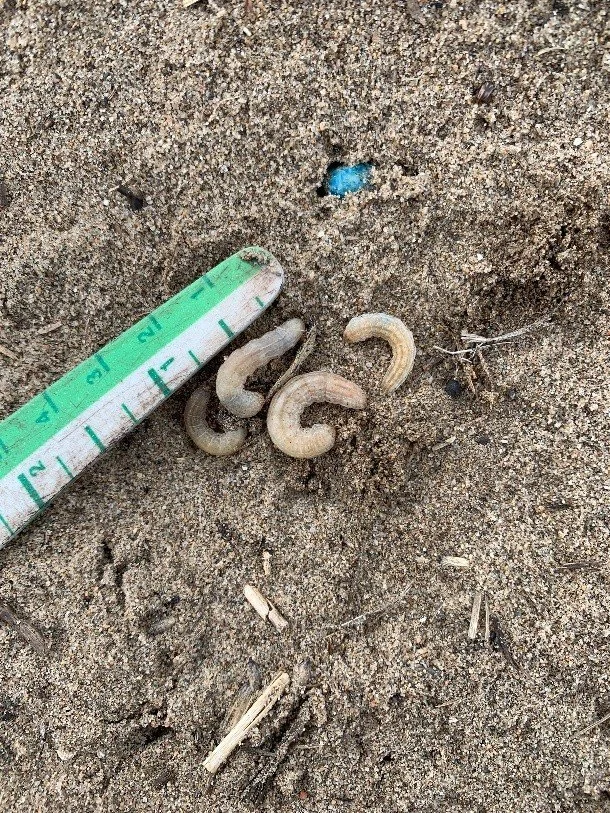
Darksided cutworms
Scouting advice for Spring 2026:
Patches don’t always stay in the same place – you can start by scouting problem areas but don’t be limited to these areas. Adult moths lay eggs in august to early September and will seek out areas with a good food source and shelter. Therefore, they will generally follow weed patches with flowering plants – some reports have shown correlation with thistle patches. Dingy cutworms can show a preference to sunflowers. If your sunflower field had undergrowth/weed issues that would provide good cover for cutworms, this could be a field to target.
~Katie Meggison