After The Combine: Setting The Stage For 2027
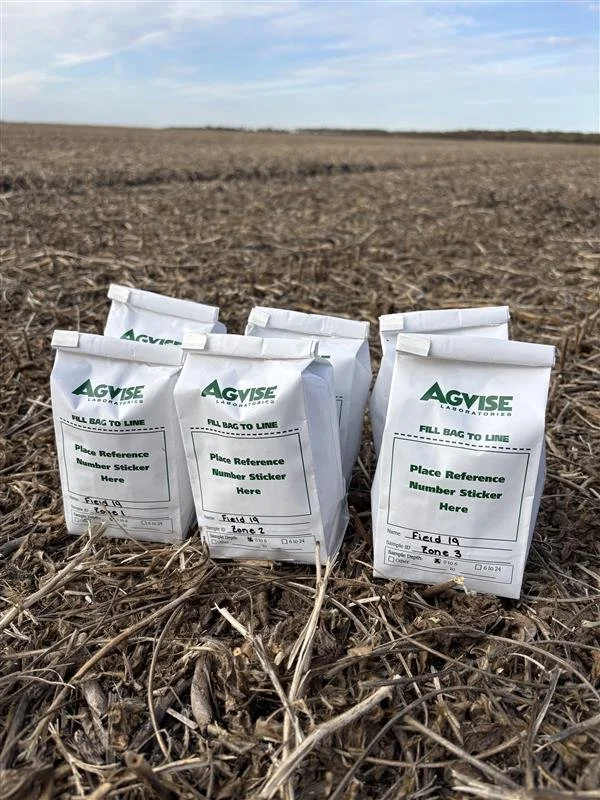
Harvest 2026 may be wrapping up, but planning for 2027 is well underway. From soil sampling results to fertilizer timing, we're sharing what we're seeing on the farm and how it can help guide your fall decisions.

Spreading Risk with Different Varieties
One variety might simplify your plans, but it can also concentrate your risk. See how using varieties with different maturities and strengths can help spread risk, manage harvest timing and build more resilience across your acres.

Wheat Midge: What We Saw This Year and What It Means Going Forward
Wheat midge damage showed up more frequently across the Red River Valley this season. What does that mean for wheat acres going forward? We break down the midge cycle, why this year matters and where midge-tolerant varietal blends can fit into your plans.

Do Fall Cereals Fit Your Farm?
Fall cereals can help spread out workload, protect valuable topsoil, suppress weeds and take advantage of early spring moisture. But where do they fit, and which variety is right for each field? We break down the benefits and take a look at our 2026 winter wheat and fall rye options.

After the Application: Lessons learned from our first season of Canola Seedpod Weevil
For many Manitoba growers, 2026 was their first time managing canola seedpod weevil. But the learning didn’t stop once the sprayer left the field. From dramatic field-to-field population differences to protecting pollinators and assessing pod damage, this season gave us plenty to take into next year.

Best Management Practices for Cabbage Seedpod Weevil in Canadian Canola
Cabbage seedpod weevil is no longer just an Alberta issue. As populations continue expanding into Manitoba, understanding when to scout, when to spray, and how to protect beneficial insects has never been more important. In this article, we cover the latest management recommendations, economic thresholds, and best practices to help you make informed decisions this season.

Iron Deficiency Chlorosis: Looking Beyond the Yellow
As soybeans reach the V1–V3 stages, Iron Deficiency Chlorosis (IDC) can begin to appear across susceptible fields. While yellowing leaves are the obvious symptom, the underlying cause is often more complex than simply a lack of iron. Learn what drives IDC, why some fields are more prone than others, and the long-term management practices that can help reduce its impact.

Bridging The Gap: A New Option In Fall Rye
A new rye option has arrived in Western Canada. Discover why SU Bebop could be the perfect fit for growers looking to move beyond traditional conventional rye without making the full leap to hybrid rye

Weather, Wind & Weeds: Keys To Herbicide Success
A successful herbicide application starts long before the sprayer enters the field. Learn how temperature, wind, and environmental conditions can influence herbicide performance and weed control.

Cutworm Comeback: How Winter Conditions Impact Risk
Cutworm pressure increased across the Red River Valley in 2025—but will it continue into 2026? Learn how winter conditions and overwintering biology could impact survival, and where to focus your scouting this spring.

Fueling Your Herd: Breaking Down Alfalfa vs. Silage
Planning forage production early is key, whether you feed hay or silage. But using both together, along with proper feed testing helps producers balance rations, manage risk, and optimize livestock performance.

Right Rate, Lower Cost
By using TKW (thousand kernel weight) to calculate wheat seeding rates, growers can better target optimal plant stands and avoid unnecessarily high seeding rates—potentially reducing certified seed costs while maintaining strong crop performance

Protect Your Genetic Investment
With rising production costs and softer commodity markets, many growers are looking for places to trim expenses. But when it comes to cereal seed treatment, is it a cost—or an investment in protecting your crop right from the start?

Wet Fall, Busy Spring
A wet fall has set the stage for a busy fertilizer season this spring, with every pound of Nitrogen counting more than ever. In this article, we explore the risks of spring broadcast applications and share practical strategies to protect your investment while maximizing efficiency across every acre.

Hybrids Don’t Flex Up…They Flex DOWN
Maximizing corn yield potential isn’t just about choosing a top hybrid– it’s about understanding how that hybrid will respond when the season doesn’t go as planned. Whether you’re an expert or a newbie corn grower in 2026, understanding one detail can take your management to the next level.

Yield Robbers of 2025
Curious what robbed yield from your crops this year? Find out more about how weather, diseases, and insects affected corn, soybeans, canola, and cereals!